A defined scope, coordinated pathways, device locations, responsibilities, and a realistic installation schedule.

Structured Cabling · Fiber · Security · Wireless
Connected. Secure. Ready to scale.
Data Installers designs, installs, tests, and documents the low-voltage systems behind commercial and enterprise operations—from structured cabling and fiber backbones to CCTV, access control, wireless networks, and data-center infrastructure.
Serving Southern California Since 1999
DesignInstallationTestingDocumentation
Why Data Installers

Built right. Documented. Accountable.
Low-voltage work disappears behind ceilings, walls, racks, and doors. That is why we focus on the pieces clients still rely on later: tested cable runs, labeled ports, accurate records, and accountable project communication.
BICSI Certified Technicians
Our crews hold active BICSI credentials — the industry gold standard. Not just general contractors who dabble in low-voltage work.
Every Run Certified
Fluke DSX testing on 100% of cable runs, every project. You receive the reports. Permanently on file.
On-Time, On-Spec
We coordinate with general contractors, property managers, IT teams, and facilities staff so low-voltage work fits the build schedule.
Full Closeout Documentation
As-built drawings, test reports, and labeled port records at project close. Everything you need for future expansions and inspections.
Built for complex projects and long-term operation.
Since 1999Decades of commercial low-voltage experience.
Local TeamMontclair-based crews serving Southern California.
Multi-SystemCabling, fiber, CCTV, access control, and wireless.
Full HandoffTesting, labeling, and complete documentation.

Southern California Low-Voltage
20+ Years Serving Southern California
Since 1999, Data Installers has delivered commercial network cabling and low-voltage infrastructure for offices, warehouses, retail centers, schools, and medical facilities throughout the region.
Get a QuoteInfrastructure You Can Operate
Your installation should make the next project easier.
Low-voltage infrastructure is often hidden above ceilings, behind walls, and inside network rooms. The problems become visible later—when an unlabeled cable fails, an undocumented pathway cannot be located, coverage does not match the floor plan, or an expansion requires starting over.
Data Installers approaches the installation as an operational system. We plan around the building, coordinate with the people using it, install the infrastructure cleanly, and deliver the information your facilities and IT teams need after the job is complete.
Clean cable routing, labeling, rack organization, protected work areas, and coordination around facility operations.
Testing records, system documentation, labeled infrastructure, and a clear handoff for the people responsible for the facility.
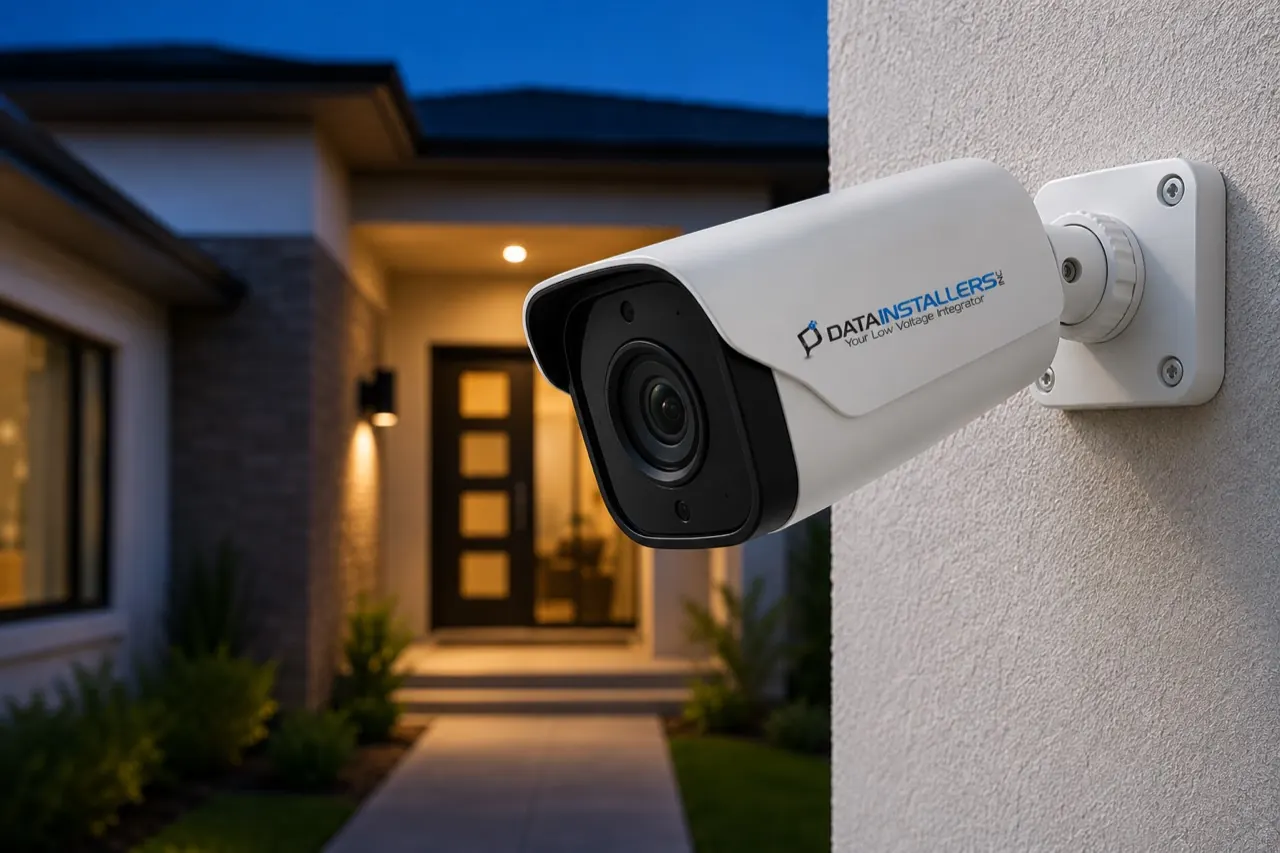
CCTV Surveillance
Eyes On Every Corner Of Your Facility.
IP and analog camera deployments for schools, warehouses, retail centers, and government buildings.
Our ServicesCore Capabilities
One contractor for the systems behind your operation.
Data Installers supports individual system upgrades and complete low-voltage scopes. Multiple infrastructure systems can be coordinated under one project, reducing gaps between cabling, equipment, testing, and closeout.
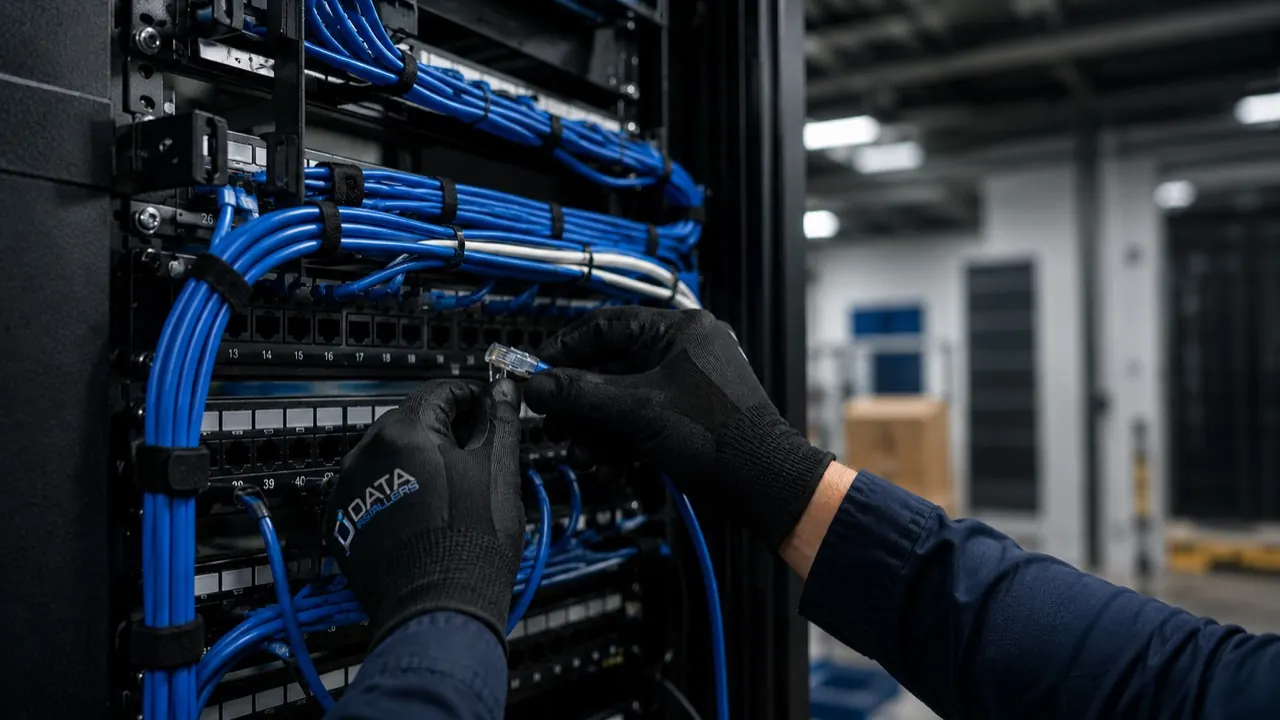
Structured Cabling
Copper cabling infrastructure for workstations, phones, access points, cameras, access control, building systems, and connected equipment.
Discuss Cabling →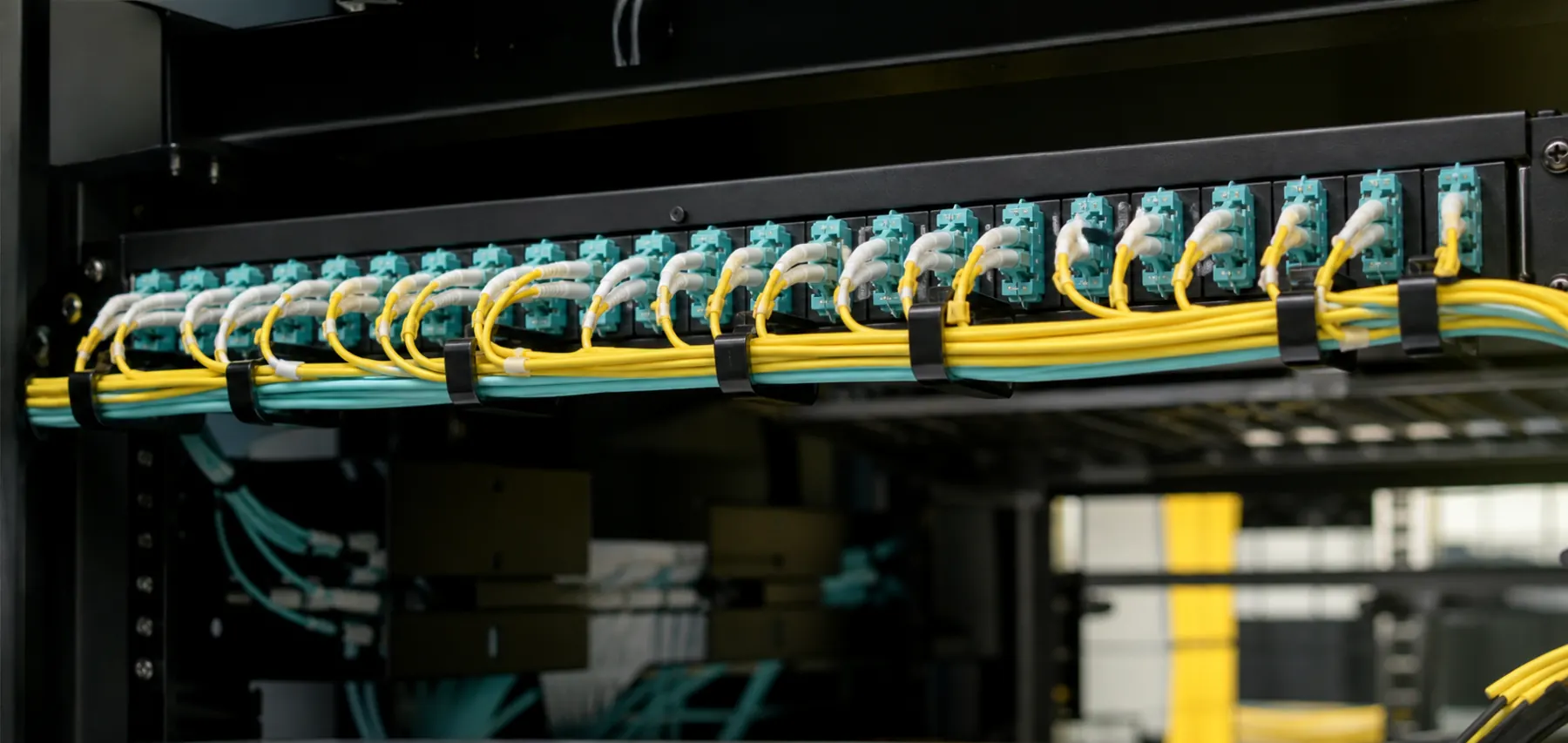
Fiber Optics
Single-mode and multimode fiber for building backbones, campus connections, network rooms, high-bandwidth equipment, and long-distance links.
Discuss Fiber →
CCTV & Surveillance
Camera infrastructure designed around entrances, parking areas, production spaces, loading zones, public areas, and critical facility points.
Discuss CCTV →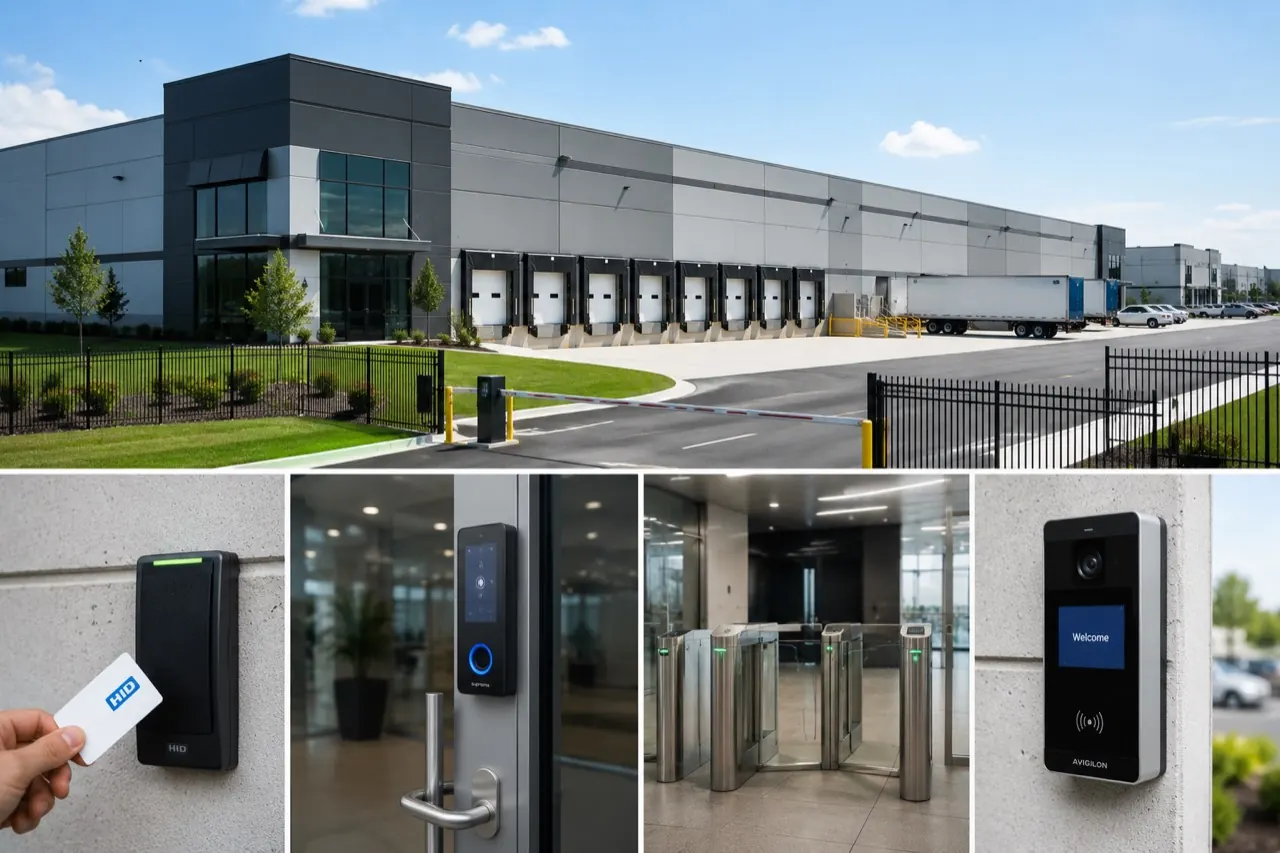
Access Control
Door infrastructure for controlled entrances, employee access, restricted areas, gates, and facility security workflows.
Discuss Access →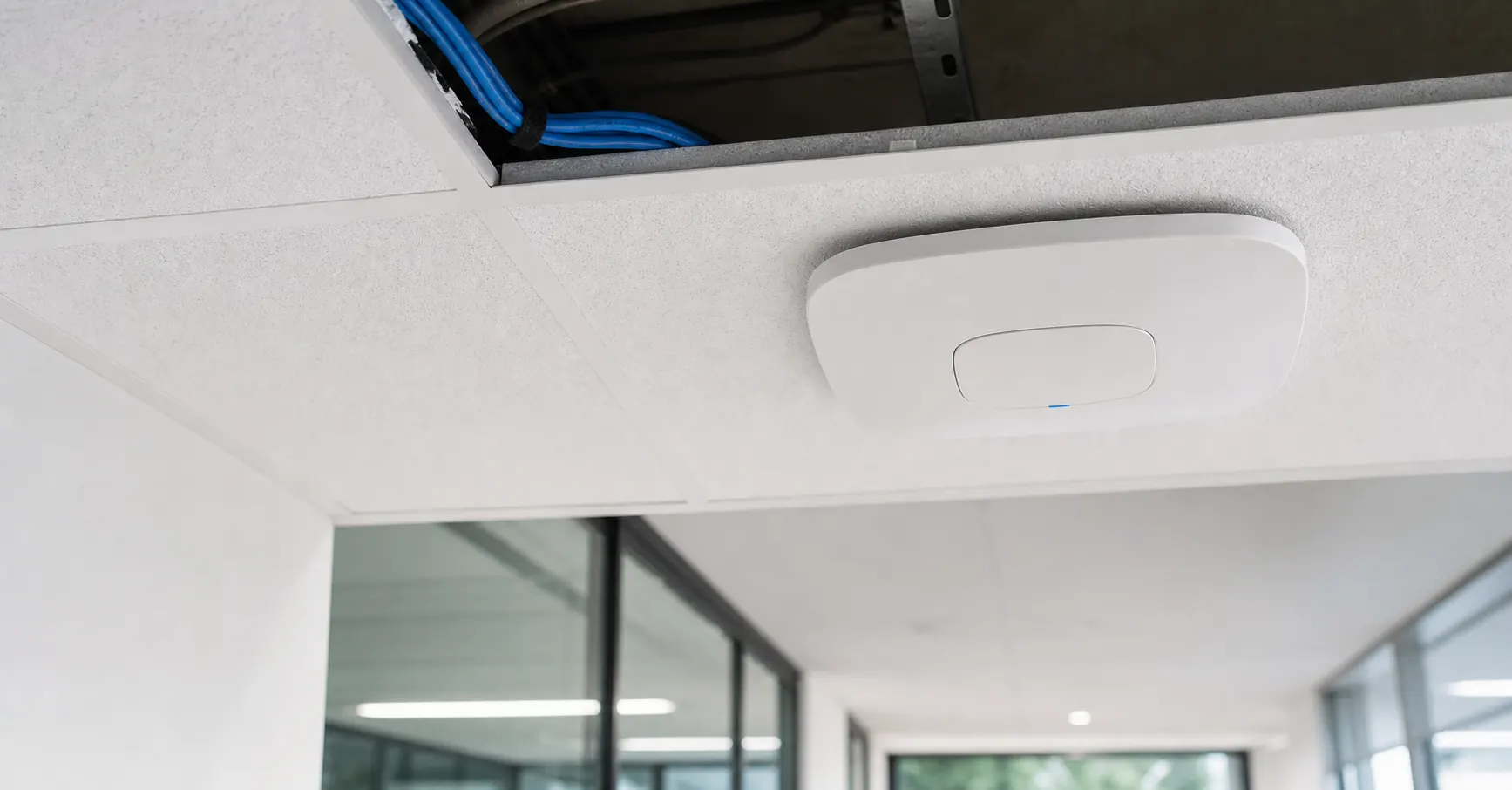
Wireless Networks
Access-point cabling, mounting, pathway planning, device-placement coordination, network-room connections, and deployment documentation.
Discuss Wireless →
Data Centers
Organized physical infrastructure for MDFs, IDFs, server rooms, telecommunications rooms, racks, cabinets, patching, and fiber enclosures.
Discuss Network Rooms →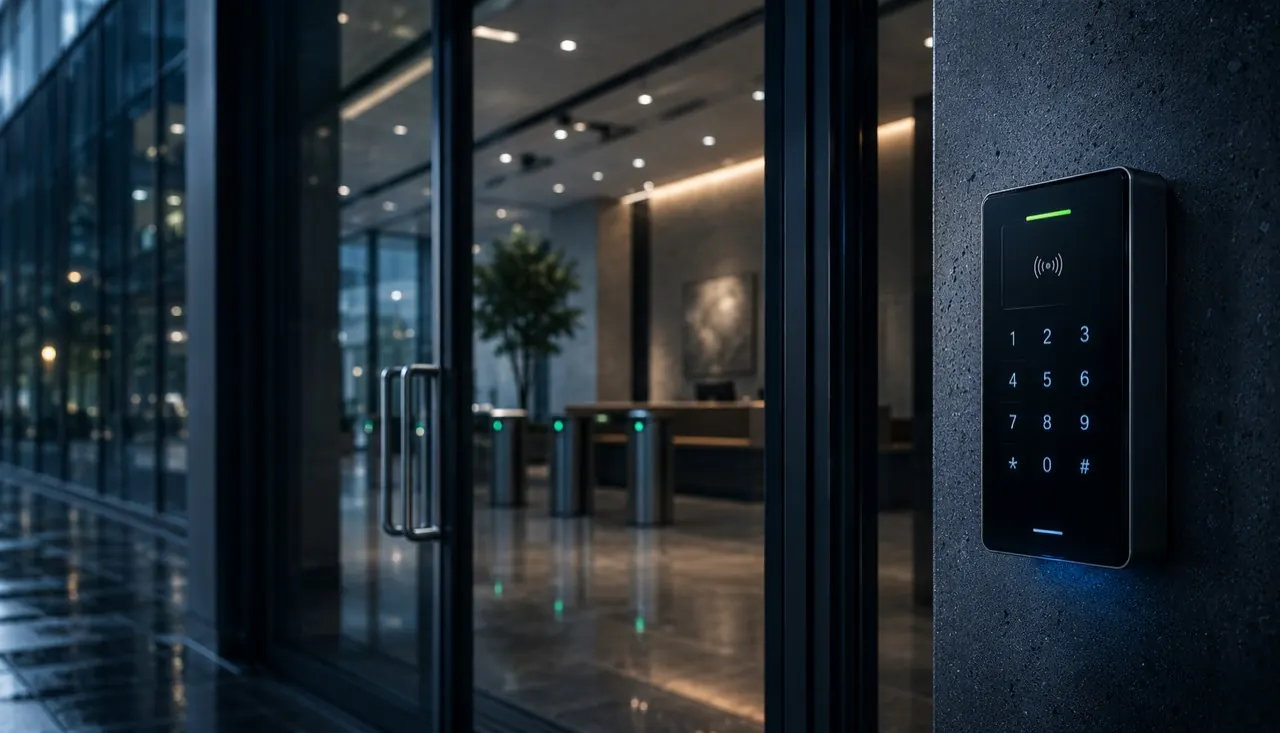
From Site Walk to CloseoutThe physical installation is one part of a complete operational
handoff.
What the Client Receives
A complete installation—not a collection of cable runs.
Coordination, verification, documentation, and turnover determine how easily the infrastructure can be operated and expanded later.
Site Assessment & Scope
Facility review, environment, pathways, device locations, access restrictions, scheduling, and responsibilities.
Engineering & Coordination
Pathway planning, rack coordination, cable selections, location review, trade coordination, and sequencing.
Installation & Verification
Cable placement, termination, mounting, labeling, organization, testing, issue resolution, and inspection.
Documentation & Handoff
Test results, labels, system information, closeout documentation, and turnover to the client team.
Low-Voltage Systems. Field Proven.
Data Installers has supported commercial low-voltage projects across Southern California since 1999. From our Montclair base, we work with facilities teams, IT departments, general contractors, property managers, and organizations that need infrastructure installed cleanly inside real operating environments.
Our work covers structured cabling, fiber optics, CCTV, access control, wireless networks, MDF and IDF rooms, testing, labeling, documentation, and multi-site deployments throughout the Inland Empire, San Gabriel Valley, Los Angeles County, and surrounding cities.

Facilities We Support
Built for environments that have to keep operating.
Different facilities create different installation challenges. We plan around access restrictions, operating schedules, ceiling conditions, security requirements, equipment traffic, public spaces, and the teams maintaining the completed system.
Commercial & Corporate
Office buildouts, occupied workplaces, tenant improvements, conference environments, and shared building infrastructure.

Warehouse & Industrial
Distribution centers, production environments, loading areas, high ceilings, long pathways, and active operating floors.
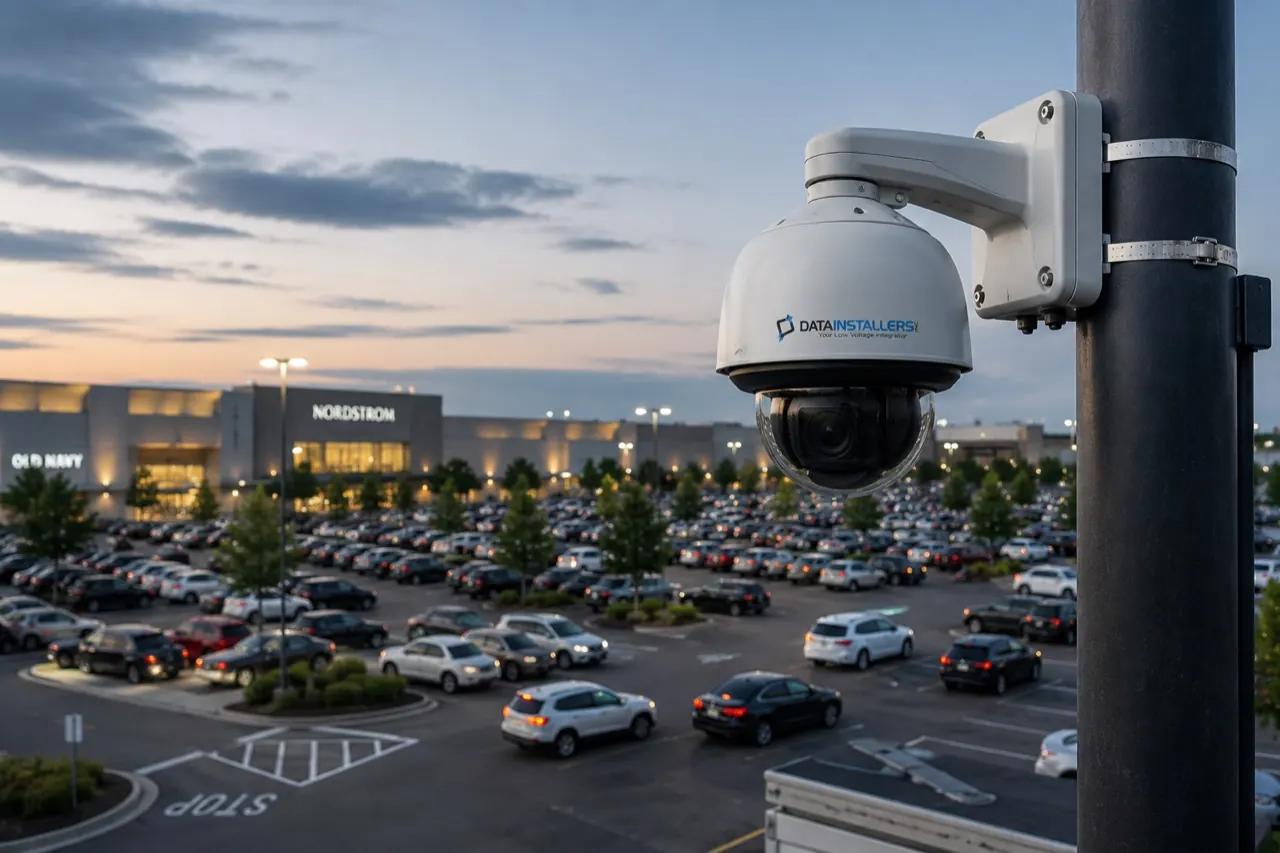
Retail & Hospitality
Customer-facing spaces, multi-location rollouts, off-hour scheduling, wireless coverage, security, and back-of-house infrastructure.
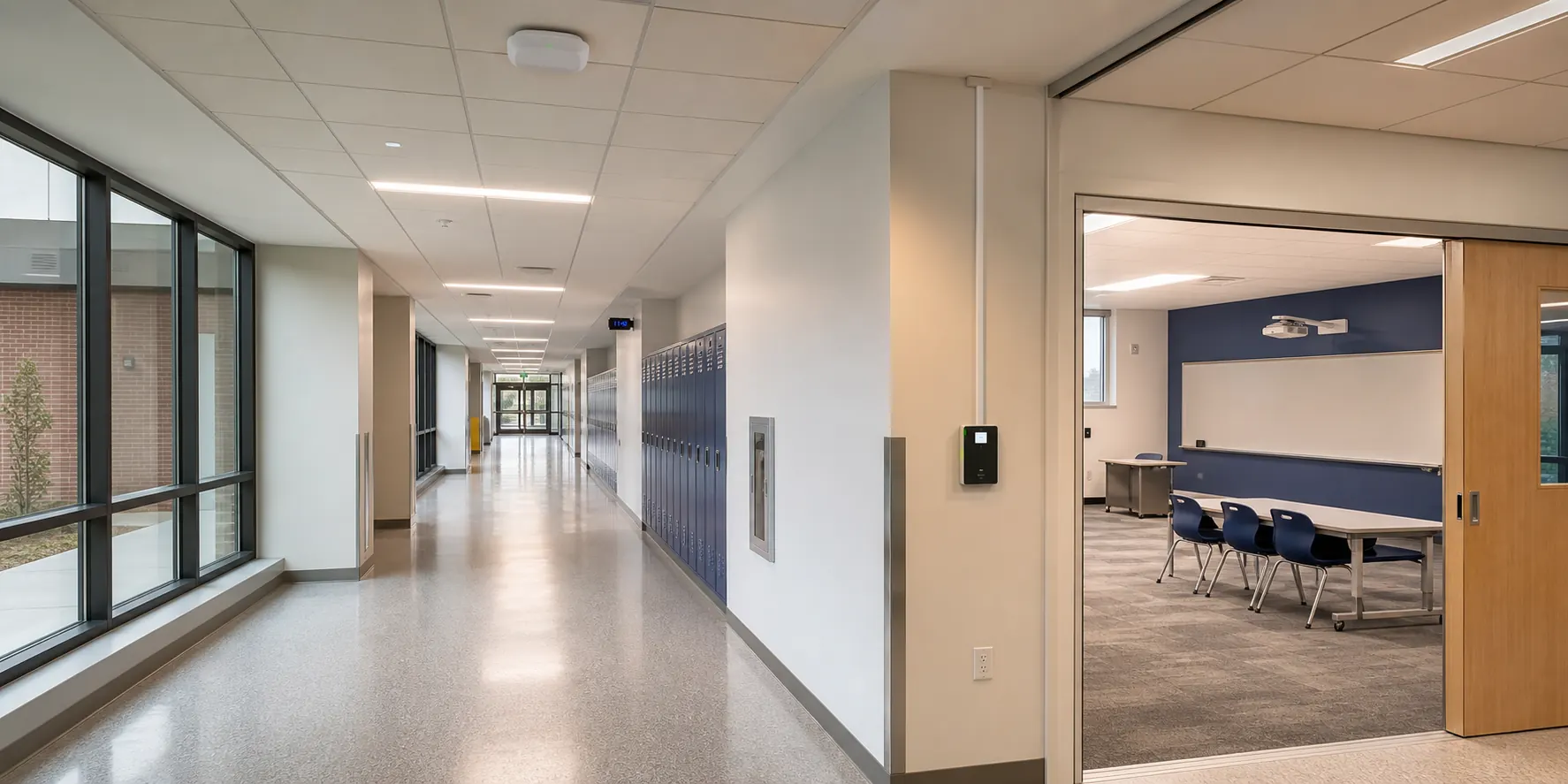
Education & Public Facilities
Classrooms, campuses, administrative buildings, public spaces, network rooms, and coordinated security infrastructure.
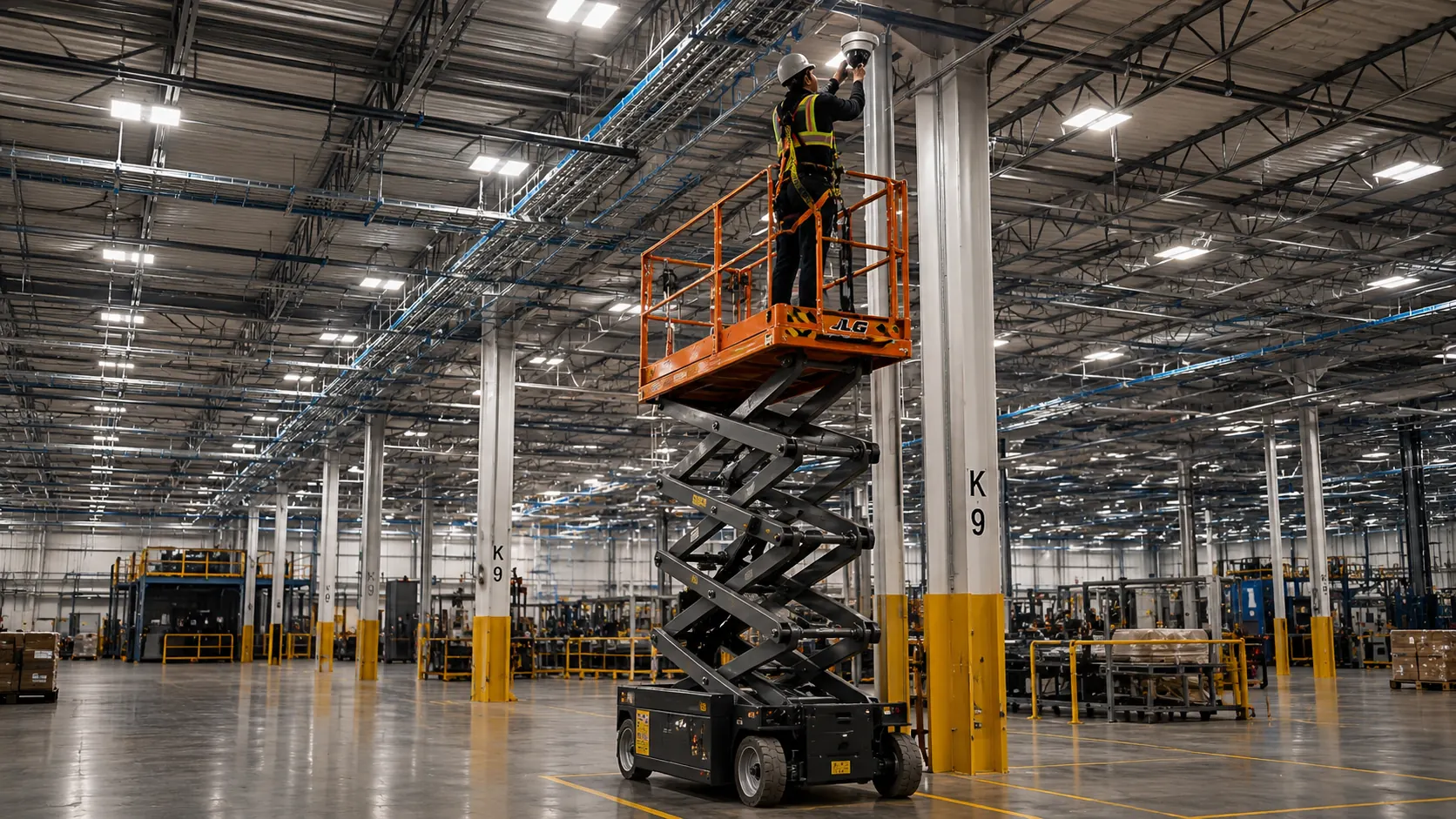
Industrial & High-Bay Facilities
Large open facilities, lift-access work, overhead pathways, security coverage, wireless placement, and controlled access.
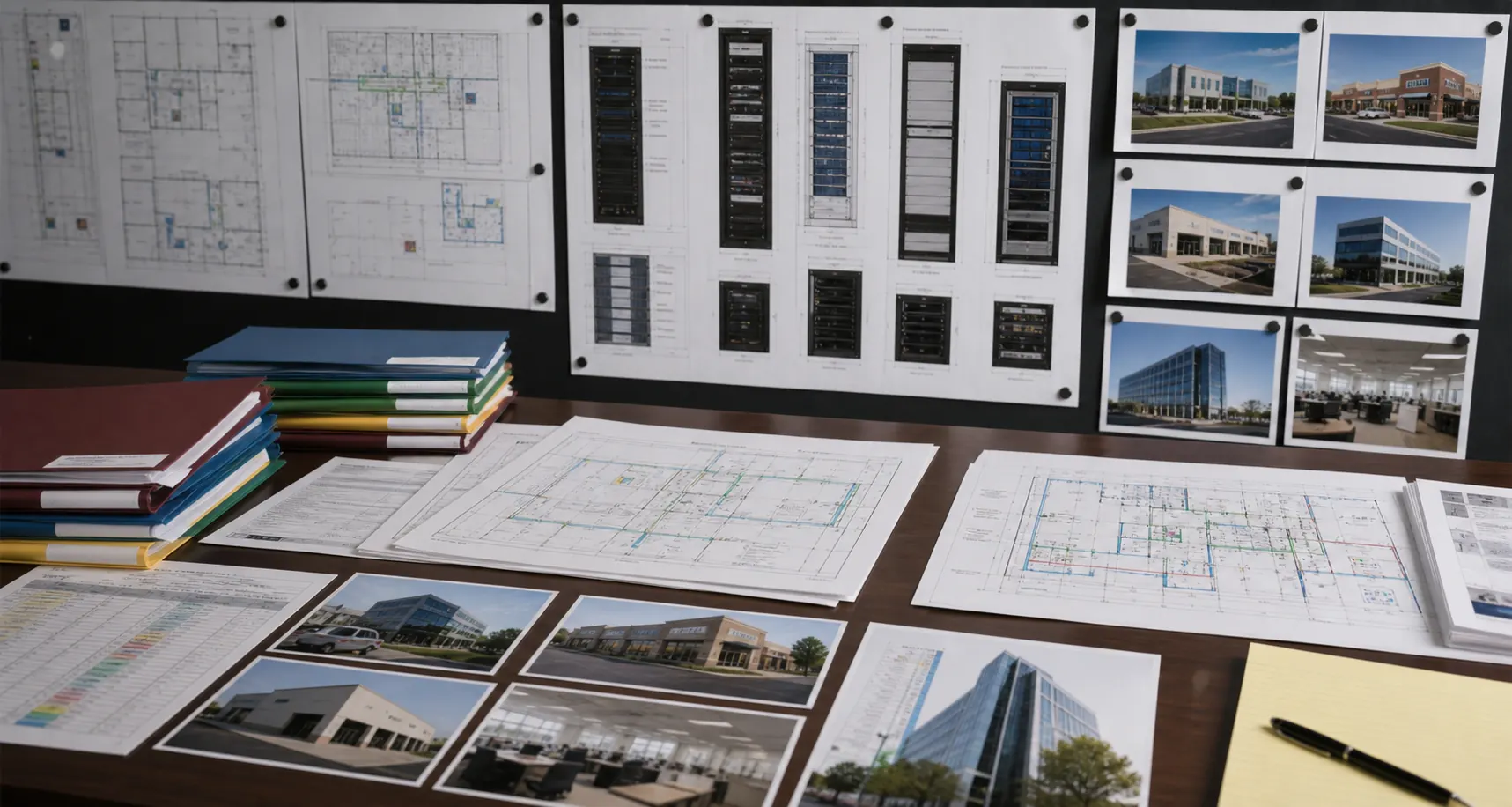
Multi-Site Deployments
Consistent standards, coordinated schedules, repeatable scopes, centralized communication, and documented closeout.
How the Project Moves
A clear path from the first walkthrough to final handoff.
Site Walk & Discovery
We review the facility, project goals, existing conditions, access limitations, system requirements, schedule, and stakeholders.
Scope & Coordination
We define the work, confirm responsibilities, identify pathways and locations, coordinate equipment, and prepare the sequence.
Professional Installation
Our field team completes the approved scope, protects occupied areas, organizes pathways, labels infrastructure, and communicates issues.
Testing & Closeout
Completed systems are inspected and tested. Required documentation is organized and transferred to the client at completion.
Why Data Installers
The details that make the installation easier to own.
A successful project should reduce uncertainty for the people responsible for the building. Our work is organized around communication, coordination, installation quality, and a usable final handoff.
One Point of Accountability
A coordinated team for multiple systems, project communication, field installation, testing, and closeout.
Occupied-Site Coordination
Installation plans developed around employees, customers, equipment, deliveries, restricted areas, and operating schedules.
Clean, Organized Work
Pathways, racks, enclosures, devices, cables, and labels installed with maintenance and expansion in mind.
Documented Infrastructure
Project information organized so facilities and IT teams can understand what was installed and where it connects.
Scalable Project Support
Support for targeted upgrades, full buildouts, phased projects, new construction, renovations, and multi-location deployments.
Direct Communication
Clear contacts, defined responsibilities, field updates, and timely escalation when existing conditions affect the scope.
Client Experience
The handoff should feel as organized as the installation.
The strongest proof of a successful project is how the facility operates after installation and how easily the client’s team can understand the completed work.
★★★★★
“Data Installers handled the full cabling infrastructure for our distribution center. Clean work, on schedule, and they documented everything properly.”
★★★★★
“The team assessed the sites and delivered a surveillance system that covered what we needed. Responsive communication and no surprises.”
★★★★★
“The project came in on budget and the post-installation testing documentation was exactly what our IT team required.”
Common Questions
What to know before we walk the project.
Every facility and scope is different. These answers cover the questions clients commonly ask before scheduling a site review.
Data Installers supports structured cabling, fiber optics, CCTV,
access control, wireless infrastructure, data-center work,
network rooms, and projects combining multiple low-voltage
systems. Work may include new construction, tenant improvements,
renovations, replacements, additions, relocations, upgrades, and
multi-location deployments.
Data Installers is based in Montclair, California, and serves
commercial project locations throughout Southern California.
Project availability depends on scope, schedule, location, and
site requirements.
Yes. Project planning can account for occupied spaces, customer
areas, equipment traffic, production schedules, restricted
zones, employee access, and other operational conditions. Night,
weekend, phased, or off-hour work should be included in the
written scope.
Testing, labeling, reporting, and closeout requirements are
defined as part of the project scope. Exact documentation
depends on the system, selected materials, applicable standards,
and client expectations.
Yes. Data Installers can coordinate with client representatives,
IT teams, facilities personnel, general contractors, property
managers, security teams, equipment vendors, and other trades.
Submit the project form with the facility location, requested
services, target schedule, and available drawings or scope
information. The next step may be a phone review, document
review, or on-site walkthrough.
Start the Conversation
Bring us the drawings, the scope, or the problem.
Tell us what needs to be installed, upgraded, repaired, expanded, or coordinated. Include the location, systems involved, facility type, project stage, and target schedule.
Commercial and enterprise projectsSingle-system and multi-system scopesNew construction, renovation, upgrade, and service workSouthern California project coverage